
How do you get Dandruff
How you get Dandruff
Healthy scalp structure is similar to the rest of body skin, with epidermal, dermal and subcutis layers. Normal scalp skin is slightly tougher than body skin; which is why it is able to tolerate certain chemicals. On sensitive scalps, however, the structure of the skin cells is not tough enough to tolerate chemicals.
The sebaceous glands in the dermal layer are responsible for the oilyness or dryness of scalps. If too much sebum is being produced, then it has the oily effect. If too little sebum is produced, then it leads to scalp dryness. A normal level of sebum is intended to lubricate the hair and scalp to provide a protective, nourished barrier from external infections. Chemicals in shampoos and conditioners tend to wash away too much sebum and causes scalp dryness.
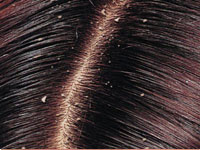
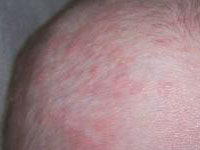
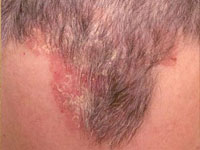
The epidermis functions the same as the rest of body skin. There is inevitably a layer of dead skin cells, however in normal rate of cell turnover, it appears smooth to the naked eye and does not cause any itching. When there is excessive cell turnover, the dead skin cells accumulate and cause large flakes of tightly packed dead cells, often with itching sensation. Also, when the scalp is not nourished or moisturised, excessive ‘dying off’ of skin cells can occur due to dehydration.