
What is Psoriasis
What is Psoriasis?
Psoriasis (sore-EYE-ah-sis) is a medical condition that occurs when skin cells grow too quickly. Faulty signals in the immune system cause new skin cells to form in days rather than weeks. The body does not shed these excess skin cells, so the cells pile up on the surface of the skin and lesions form.
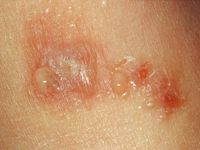
Psoriasis is a non-contagious skin condition. It causes red, scaly patches to develop on the skin. These areas are most common on the scalp, elbows and knees, but can occur on any areas of the body. Skin affected by psoriasis grows much quicker than normal skin. There is no cure for psoriasis but it can be controlled with treatment.
A variety of physical effects
Symptoms of psoriasis vary from person to person. The effects may include:
- Red scaly patches on scalp, elbows, knees and other parts of the body
- Itchiness - however, some people do not feel itchy at all
- Shedding of scales of skin.
Types of psoriasis
There are five types of psoriasis: Plaque, guttate, pustular, inverse, and erythrodermic.
- Plaque psoriasis - most common form
- Guttate psoriasis - found mostly in children
- Flexural psoriasis - affects body folds and genital area
- Erythrodermic psoriasis - severe form requiring hospitalisation
- Napkin psoriasis
- Pustular psoriasis - a more severe form of psoriasis which can be painful
What are the signs and symptoms?
The lesions vary in appearance with the type of psoriasis. About 80% of people living with psoriasis have plaque (plak) psoriasis, also called “psoriasis vulgaris.” Plaque psoriasis causes patches of thick, scaly skin that may be white, silvery, or red. Called plaques (plax), these patches can develop anywhere on the skin. The most common areas to find plaques are the elbows, knees, lower back, and scalp.
Psoriasis also can affect the nails. About 50% of people who develop psoriasis see changes in their fingernails and/or toenails. If the nails begin to pull away from the nail bed or develop pitting, ridges, or a yellowish-orange colour, this could be a sign of psoriatic (sore-EE-at-ic) arthritis. Without treatment, psoriatic arthritis can progress and become debilitating. It is important to see a dermatologist if nail changes begin or joint pain develops. Early treatment can prevent joint deterioration.
What causes psoriasis?
Psoriasis is not contagious. You cannot get psoriasis from touching someone who has psoriasis, swimming in the same pool, or even intimate contact. Psoriasis is much more complex.
So complex, in fact, scientists are still studying what happens when psoriasis develops. We know that the person’s immune system and genes play key roles. In studying the immune system, scientists discovered that when a person has psoriasis, the T cells (a type of white blood cell that fights unwanted invaders such as bacteria and viruses) mistakenly trigger a reaction in the skin cells. This is why you may hear psoriasis referred to as a “T cell-mediated disease.”
This reaction activates a series of events, causing new skin cells to form in days rather than weeks. The reason T cells trigger this reaction seems to lie in our DNA. People who develop psoriasis inherit genes that cause psoriasis. Unlike some autoimmune conditions, it appears that many genes are involved in psoriasis.
Scientists are still trying to identify all of the genes involved. One of the genes that has been identified is called PSORS1 (SORE-ESS-1). This is one of several genes that regulates how the immune system fights infection.
Scientists also have learned that not everyone who inherits genes for psoriasis gets psoriasis. For psoriasis to appear, it seems that a person must inherit the “right” mix of genes and be exposed to a trigger. Some common triggers are a stressful life event, skin injury, and having strep throat. Many people say that that their psoriasis first appeared after experiencing one of these. Triggers are not universal. What triggers psoriasis in one person may not cause psoriasis to develop in another.
Who gets psoriasis?
People worldwide develop psoriasis. In the United States for example, nearly 7 million people have psoriasis and about 150,000 new cases are diagnosed each year. Studies indicate that psoriasis develops about equally in males and females.
A family history of psoriasis seems to increase the risk of developing psoriasis. It is important to know that a family history of psoriasis does not guarantee that someone will develop psoriasis.
When do people get psoriasis?
Psoriasis can begin at any age, from infancy through the golden years. There are, however, times when psoriasis is most likely to develop. Most people first see psoriasis between 15 and 30 years of age. About 75% develop psoriasis before they turn 40. Another common time for psoriasis to begin is between 50 and 60 years of age.
Does psoriasis affect quality of life?
For some people, psoriasis is a nuisance. Others find that psoriasis affects every aspect of their daily life. The unpredictable nature of psoriasis may be the reason. Psoriasis is a chronic (lifelong) medical condition. Some people have frequent flare-ups that occur weekly or monthly. Others have occasional flare-ups.
When psoriasis flares, it can cause severe itching and pain. Sometimes the skin cracks and bleeds. When trying to sleep, cracking and bleeding skin can wake a person frequently and cause sleep deprivation. A lack of sleep can make it difficult to focus at school or work. Sometimes a flare-up requires a visit to a dermatologist for additional treatment.
These cycles of flare-ups and remissions often lead to feelings of sadness, despair, guilt and anger as well as low self-esteem.
Knowledge is power
As psoriasis is a life-long condition, it is important to take an active role in managing it. Learning more about psoriasis, seeing a dermatologist to discuss treatment options, and developing a healthy lifestyle can help people live life to the fullest.
Creams and medicines can relieve symptoms
It is very important to keep your skin moisturised as dry skin can lead to scratching. You should:
- Use a soap substitute
- Use protective gloves
- Keep fingernails and toenails short to prevent damage to the skin from scratching
Things to remember
- Psoriasis is not contagious
- There is no known cure for psoriasis - but it can be controlled